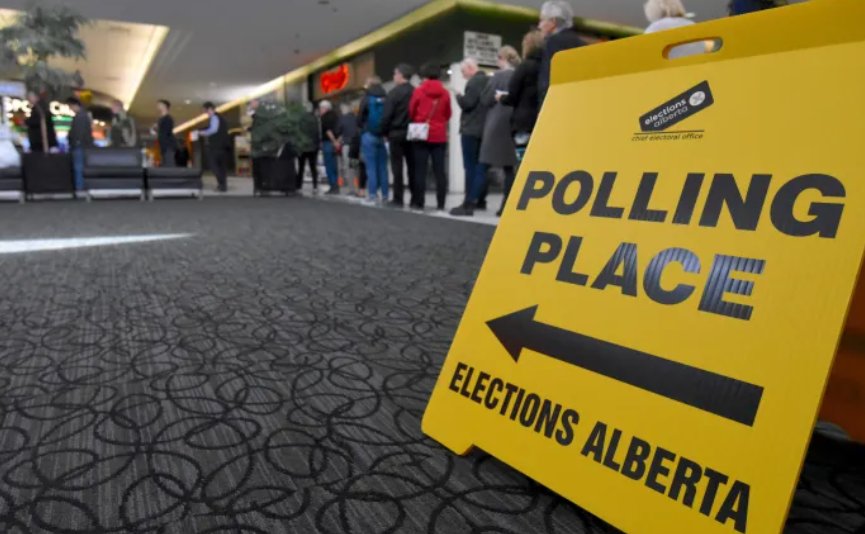
Angel Houle says she’s never voted in an Alberta provincial election, but this month’s referendum is different.
Not only is she casting a ballot, Houle is helping outfit First Nations’ leaders with everything they need to get out the vote on Oct. 19.
That’s when Albertans decide whether the province should stay within Canada, or hold a second, binding referendum on breaking away.
Houle, along with other staff at the Confederacy of Treaty Six First Nations, has been organizing workshops to build teams among member nations. Those teams are boots on the ground, spreading the word on where and how to vote.
“The decisions being made in this referendum matter to treaty people and our nations and our future generations,” Houle said in Edmonton.
“It’s important to let everyone know that silence could be consent in this referendum.”
Houle said lately community members have been vocal about wanting more information. “It tells me that they’re wanting to participate, so that they know their voice is heard.”
First Nations people are among many groups — on both sides of the issue — spreading the message and rallying support for the vote.
Albertans are to vote on 10 questions. Nine focus on immigration and constitutional issues. The last is on separation.
Premier Danielle Smith says First Nations remain valued partners. First Nations leaders have wondered how that can be so, given they feel their people, land and treaties — signed before Alberta even became a province — have been treated as an afterthought in the separation debate.
Tania Cameron is an Ojibwa woman from Ontario who launched the First Nations Rock the Vote campaign from her living room more than a decade ago. She recently spent more than a week in Alberta giving presentations, sharing get-out-the-vote strategies, and working with leaders across communities, including Treaty 8 Sovereign First Nations.
The momentum is building, Cameron said.
“People are talking; people feel that they’re on a mission.”
She said she saw people organizing voter registration drives, educating others about treaties, and participating in ceremonies to bless and recognize the importance of the work.
“There’s a lot of provinces watching, a lot of treaty chiefs across the country watching what’s happening in Alberta.”
Cameron said Alberta First Nations had such a high turnout in the 2015 federal election that some communities ran out of ballots. On-reserve voting turnout rose by about 25 percentage points, she said.
“We’re going to show our political muscle,” Cameron said. “It’s about relaying the message from the people that separation is off the table.”
Houle said First Nations groups are translating the questions for those whose first language isn’t English. They’re planning to ensure chiefs and other officials are at polling stations to help sign special forms verifying voters’ eligibility if needed.
They’re also reaching out to off-reserve members with an upcoming information session.
Voting demand across the province has already been sky high. Elections Alberta has dispatched more than 652,000 mail-in ballots.
The agency estimates the referendum could see an 85 per cent turnout, which would surpass the provincial record of nearly 82 per cent in the 1935 general election.
Tsuut’ina Nation Head Chief Ellery Starlight said the vote is critical, but the division it has brought has been destructive.
The nation in southern Alberta is a signatory to Treaty 7. Canada is predicated on treaties, he said, and all Albertans have a responsibility to vote for unity.
“There are a lot of people that are motivated,” Starlight said.
“We have to help them along the way. But coming up to the vote, why is it only us?” he asked.
“Why is it only the First Nations that have this kind of a campaign, and we’re the poorest demographic in Canada?”
Comments